
For third-year law student Elian Cohen, the reason for choosing Zefat Academic College (ZAC) was simple: “It was close to home,” he says. Yet if the decision was driven by convenience, the ultimate reason for his satisfaction was something else entirely. “The faculty here actually listen to its students,” he explains. “They understand the challenges we’re dealing with, especially regarding the war. They want to do what they can to make things easier and to ensure that everyone succeeds.”
That sense of being “a person, not a number” is something to which Rajed Abu Ashleh can relate. A first-year social work student, Abu Ashleh shares Cohen’s surprise at the level of faculty investment in students’ performance and well-being. “What I didn’t anticipate was how personal it is—that faculty and students speak as equals,” she says. “The result is a real sense of belonging and responsibility. When lecturers go above and beyond to help you, you want to show that you’re worth that effort. You work harder and accomplish more.”
As students such as Cohen and Abu Asleh learn soon after they arrive on campus, the classroom learning is only part of the experience. An equally important part is the people: the faculty, staff, and fellow students who share a common purpose—using education as a lever for personal and professional fulfillment, to elevate the Galilee.
And few fields will be tasked to advance that goal more than social work. “Beyond the professional knowledge,” Abu Asleh concludes, “I’ve learned to listen more, to see where other people are coming from, and to approach things in a more sensitive way. All of these things will make me better able to help the Galilee’s communities.”
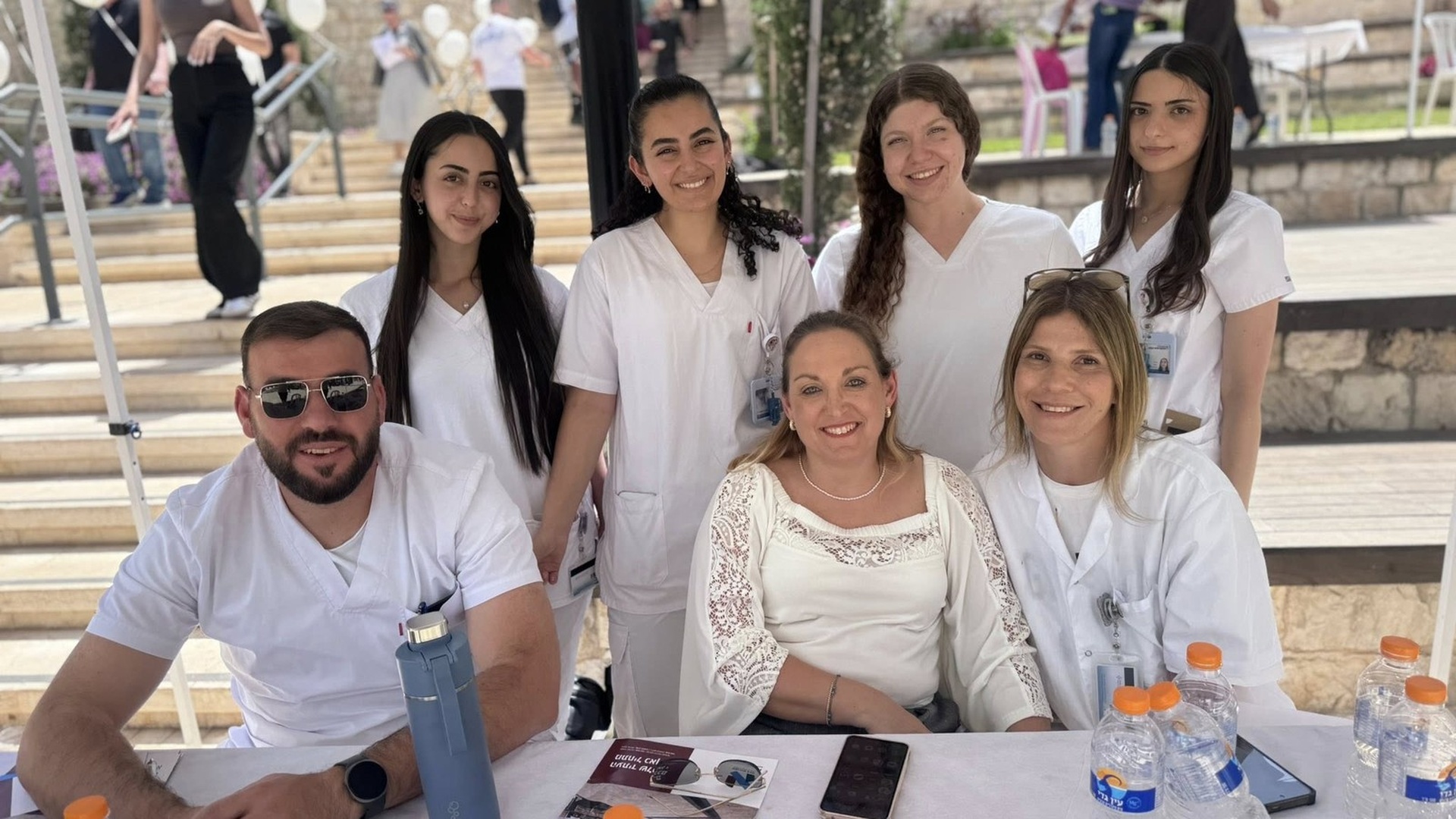
ZAC students in the health professions are equally enthusiastic about the college community’s added value to their future careers. For Mor Leiba, a third-year nursing student, faculty was equal in influence even to the Institute for Medical Simulation—a state-of-the-art training center that increases the quality of professionals entering the Galilee’s health system.
“The simulation institute allows us to build expertise and confidence before encountering real patients,” Leiba explains, before adding that “the college faculty also make it a safe space to ask questions, and there’s a real camaraderie among the students. That makes time in the institute more meaningful and worthwhile.”
Fourth-year optometry student Dina Osama Mansour agrees with the importance of blending theory with hands-on work. But like Leiba, she credits the community with underscoring the meaning of her chosen profession—and for giving her studies her all. “Sometimes even a small change in vision can transform a person’s quality of life,” she says. “Our faculty don’t just teach how to give prescriptions or diagnose eye disease. They teach us that giving people the gift of sight gives them back their confidence and ability to live their best lives. That moves me every time.”
Looking back on her time at ZAC, Mansour is certain that what she learned will stay with her—both the skills and the awareness of her ability to effect change. “ZAC is so much more than a degree,” she concludes. “It’s a place where the feeling of belonging leads to more and better tools for your future career. Beyond a college, it’s a framework, for both professional and personal growth.”